Seven Chairs, Seven Empty Seats: The Rituals Families Invent for Who Can't Make It Home
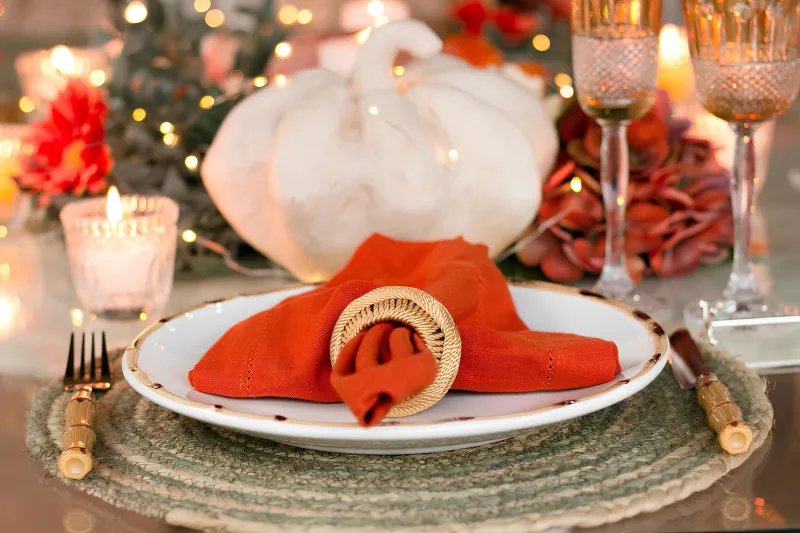
Somewhere between the turkey and the pie, most Thanksgiving tables have a geography problem: a seat that stays empty on purpose.
Maybe it's your brother on his second deployment, eating a reheated tray in a dining facility twelve time zones away. Maybe it's your mother, gone eleven months now, whose casserole dish nobody has had the heart to replace. Maybe it's your sister, still on the other side of an argument nobody can fully remember starting. Maybe it's the kids, split between two houses this year for the first time.
We asked readers what their families do with that empty chair, and the answers came in by the dozens — funny, aching, inventive. What emerged wasn't a list of coping strategies. It was a portrait of how American families practice absence, and how the rituals we build around the missing say as much about love as anything said out loud over the meal.
1. The Place Setting That Travels
The most common tradition, by far: set the plate anyway. But the variations are where it gets good.
One family in Georgia photographs the empty place setting and texts it to their deployed son, then adds the photo to a small album that's now on its fourth Thanksgiving. Another family mails the actual cloth napkin to their daughter studying abroad, who writes a note on it and mails it back — a napkin that now takes a round trip every November like a very slow, very sentimental homing pigeon.
2. The Dish They Would Have Made
Food is memory with a recipe attached. So when someone can't come home, their signature dish shows up in their honor.
A reader in Michigan makes her late father's notoriously lumpy mashed potatoes every year, lumps intact, because "smoothing them out would be lying." A Texas family lets the absent member call in their order by phone: whoever's missing gets to dictate one side dish, sight unseen, and the table eats it no matter what. (Last year: canned cranberry sauce, still can-shaped. "We honored it. We did not enjoy it.")
3. The Chair That Gets Borrowed
Some families refuse to let the seat sit empty at all. One tradition we loved: the empty chair gets occupied by the person at the table who had the hardest year, a rotating seat of honor that comes with first dibs on dark meat and a mandate to let everyone fuss over them.
For the newly divorced and the freshly estranged, this reframing matters. The chair isn't a wound on display. It's a job.
4. The Call From the Driveway
Several readers described the ritual of the scheduled call — but with a twist. Instead of pausing the meal for a speakerphone echo-fest that leaves everyone shouting "can you hear me?" at a phone propped against the gravy boat, one family passes the phone around during dessert, one person at a time, walking out to the driveway for a private minute. "Ten minutes alone with each person beats forty minutes of group chaos," one mom wrote. "He gets his grandmother, one on one. That's the part he misses."
5. The Letter in the Drawer
The heaviest tradition, and maybe the most durable: the letter.
Families write to the person who can't come — the deployed, the deceased, the estranged — and read the letters aloud or keep them in a dedicated drawer, unopened, waiting. One widow described five years of letters to her husband, none ever reread, all kept. "It's not for him," she wrote. "It's for the table. The table needs to say it."
For the estranged, the ritual is gentler: some families write the letter and don't send it, a yearly practice in leaving the door unlocked without standing in the doorway.
6. The First-Year Chair
Finally, a note for the hardest table of all — the first Thanksgiving after a loss. The most repeated advice from readers who've been there: do the ritual, but lower the bar for everything else. Catered sides, paper plates, leaving early. One reader's rule, passed along like an heirloom: "The first year, the only tradition is showing up. Everything else can wait."
What the Empty Chair Is Actually For
Here's what we kept noticing in every story: the rituals aren't really about the person who's gone. They're about the people still seated. They give grief a place to sit, give distance a doorway back, and give everyone at the table permission to say the missing out loud — which, in most American families, is otherwise against the rules.
The chair stays empty so the table can stay honest. And if that's not what gratitude looks like, it's at least where it starts.