
Community
Nobody Told Them the Cure for Loneliness Was Already on Their House
Across the country, Americans are dragging chairs out front again — and discovering that the porch was never really about architecture. It was about proximity.
Real stories. Real people. Every single day.
Across the country, Americans are dragging chairs out front again — and discovering that the porch was never really about architecture. It was about proximity.
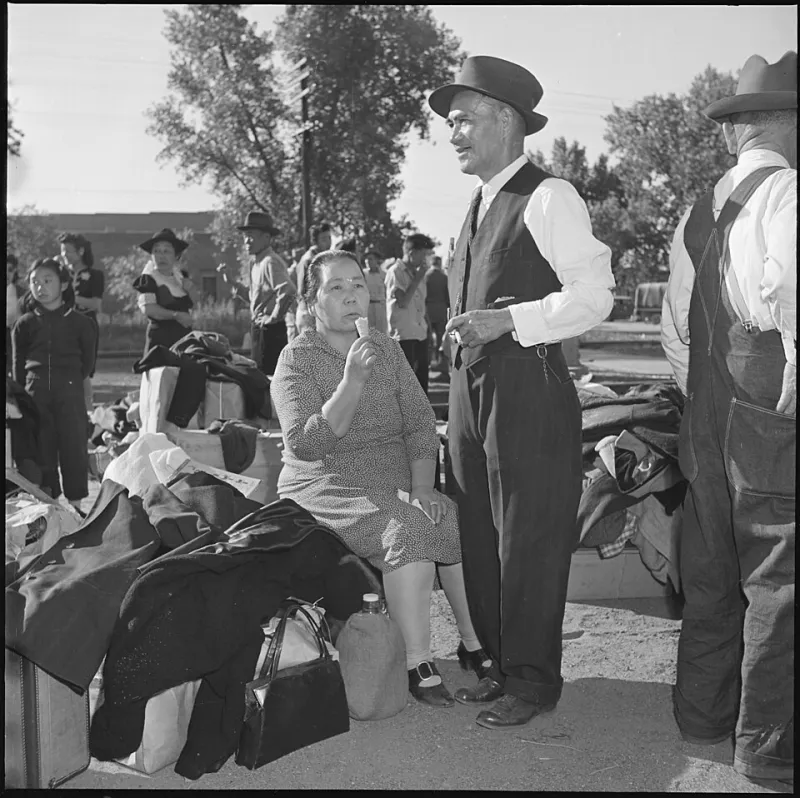
We asked couples who've crossed the four-decade mark what actually keeps a marriage stitched together. Their answers weren't romantic getaways or grand gestures — they were tea, read-alouds, and a very specific way of saying goodnight.
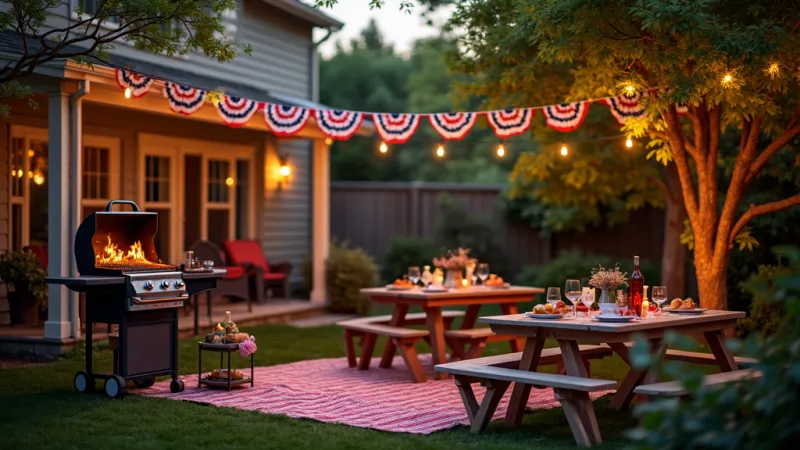
Somewhere along the way, the Fourth of July became a content opportunity — flag napkins, matching outfits, charcuterie boards shaped like stars. Here's a case for the other kind of celebration: the slightly sad, deeply wonderful backyard cookout with no aesthetic whatsoever.
The mail carrier, the barista, the crossing guard — these 'micro-friendships' have become the steadiest relationships in many of our lives. Maybe it's time we admitted what they mean, and why we save our softest selves for them.
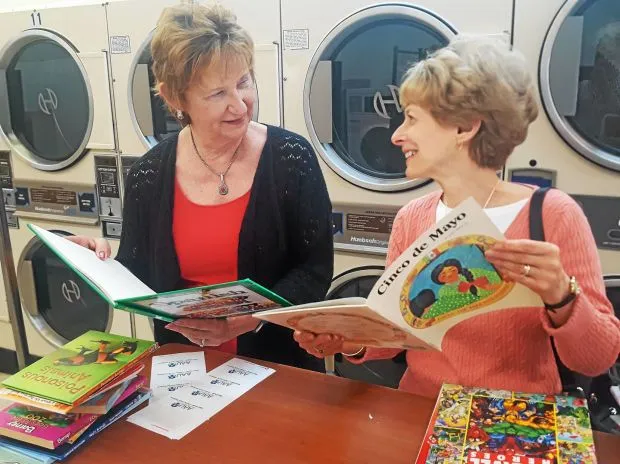
The bowling league is gone and the church basement is empty — but Americans aren't giving up on gathering. From laundromat libraries to barbershop poker nights, meet the people rebuilding community in spaces that were never meant for it.
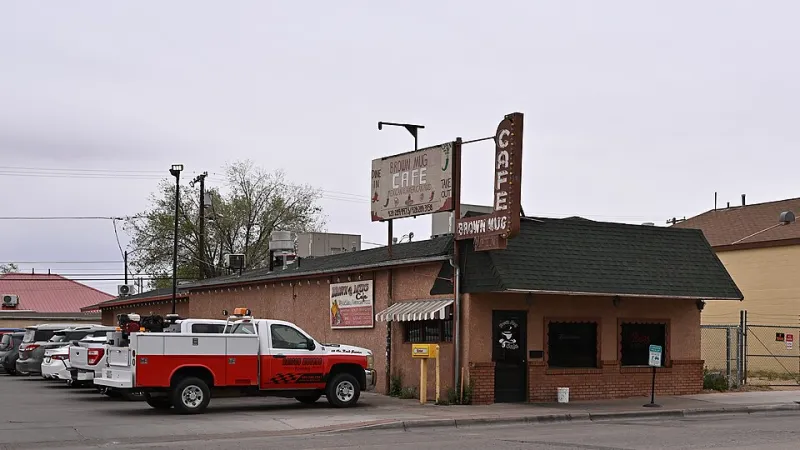
I've waited tables at the same diner since 1994. From the corner booth, I've watched first dates fizzle, proposals happen over pancakes, and widowers order two coffees out of habit. Here's what all that quiet watching taught me.
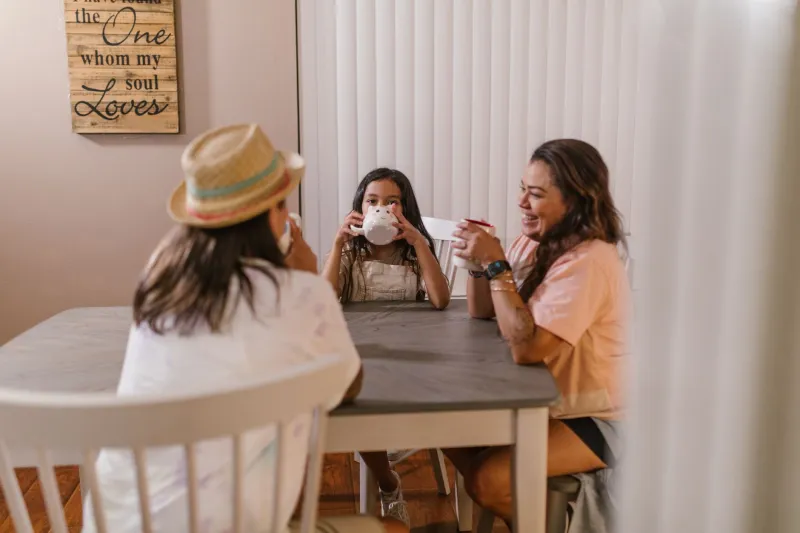
The Tuesday takeout. The Sunday walk nobody officially organized. The kitchen table where somehow the hard stuff always gets said. The rituals that hold families and friendships together are rarely the ones anyone designed — and that might be exactly why they work.
It's blurry, or badly lit, or you look nothing like you do in your head. Your thumb hovers over delete. But something makes you stop. We asked our readers about the photos they almost got rid of — and what keeping them has come to mean.

We spend so much energy curating how we come across — even to total strangers. But there are these small, unguarded moments when the performance slips, and something real gets through. What happens next might surprise you.
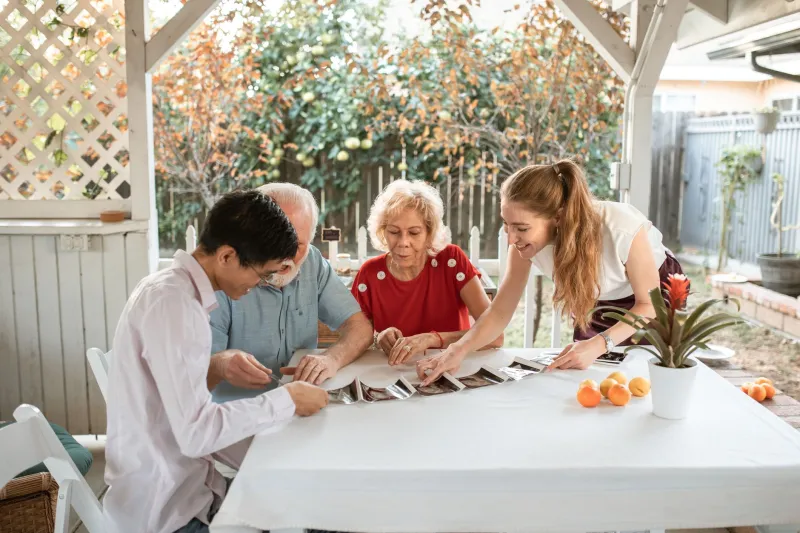
There's a moment a lot of us can pinpoint — a specific afternoon, a single offhand comment, a photograph we'd never seen before — when a parent suddenly stopped being a role and became a person. Readers share the stories of when that shift happened, and what it changed about everything.

It wasn't therapy or a support group or any of the things people suggest when life gets hard. For a lot of us, it was something smaller — stranger, even — that became the thing we couldn't live without. Readers share the unexpected hobbies that pulled them back to themselves when nothing else was working.
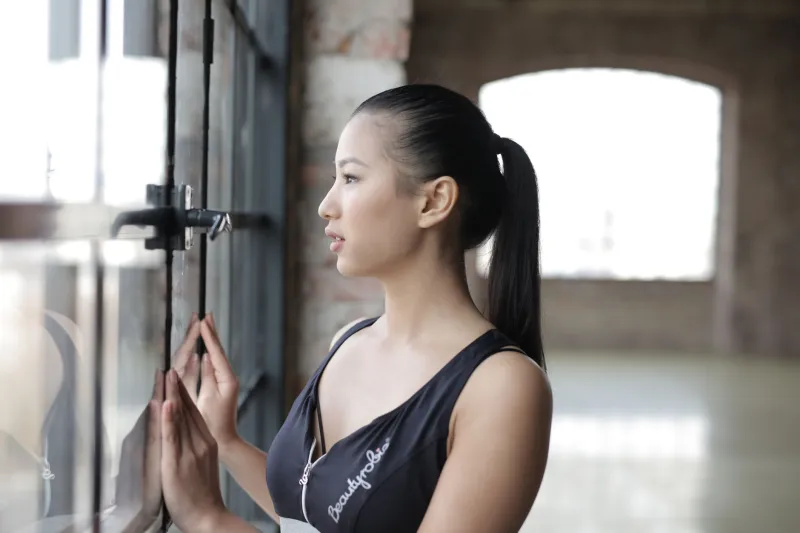
You've said it a hundred times — in the shower, on your commute, staring at the ceiling at 1 a.m. You had the perfect words. You just never said them out loud. Here's what all that mental rehearsing is actually telling you about yourself and the people you love.

For years, every car ride home ended the same way — with advice nobody asked for and silence that swallowed the rest of the drive. Then one afternoon, almost by accident, a mother and her adult daughter stumbled onto something neither of them had a name for yet.

Most of us have gotten pretty good at saying 'fine' on autopilot. But every once in a while, someone asks the question differently — slower, more deliberate — and the whole script falls apart. Readers share the moments when they finally told the truth, and what changed because of it.
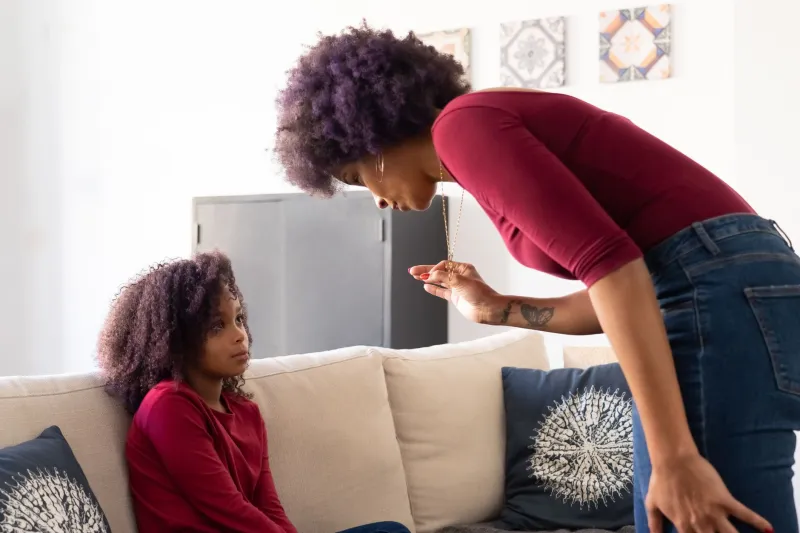
Kids have this uncanny ability to ask the one question you've been quietly avoiding your whole adult life. For a lot of parents, those unexpected moments of honesty from their children don't just challenge them — they completely rewrite them.
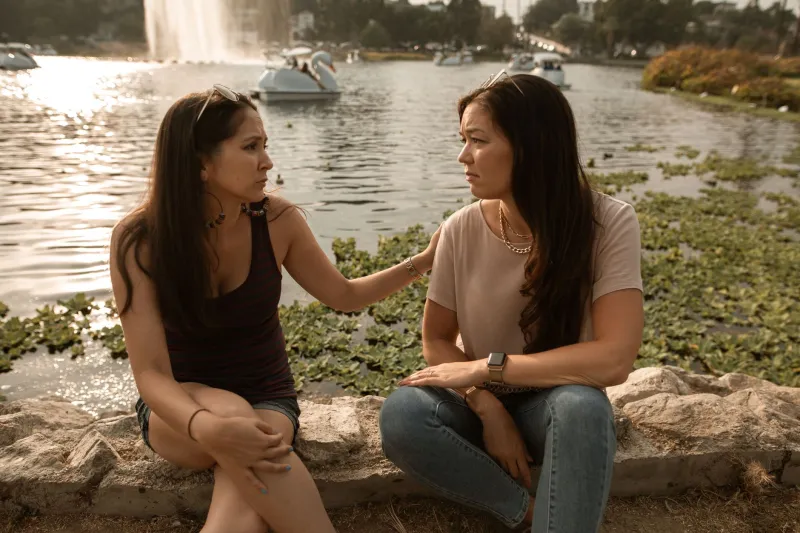
Most of us have mastered the art of the quick deflection — the 'I'm fine' that slides out before anyone can look too closely. But every now and then, someone asks with enough stillness behind it that the whole performance collapses. This is about those moments, and why they matter more than we realize.
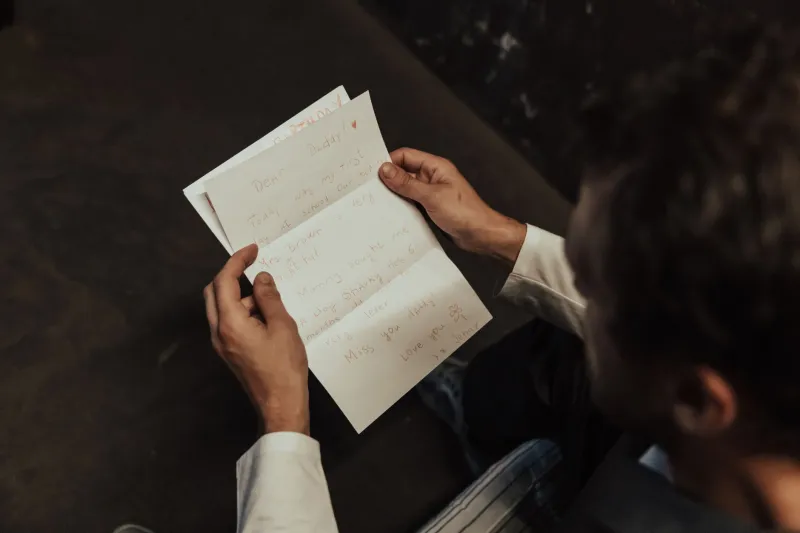
A late apology shouldn't work. It arrives after the sleepless nights, after the therapy, after you've already rebuilt yourself from scratch. And yet, for a surprising number of people, it does something nothing else could. We talked to real people about what happens when remorse finally finds its way to your door — long after you stopped waiting.
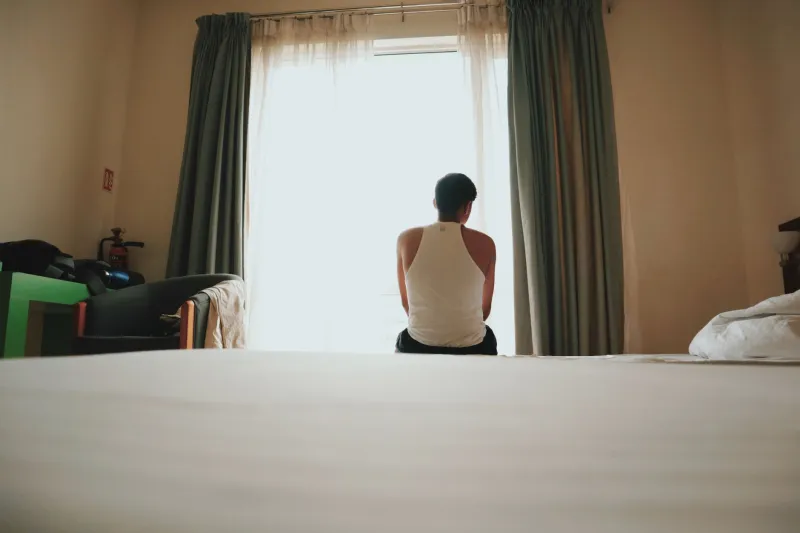
Most of us have a speech we've been perfecting for years — the one we deliver flawlessly in the shower, on the commute, staring at the ceiling at midnight. The only problem? It never quite makes it out of our heads. We talked to real people about the conversations they've been rehearsing, and what finally happened when some of them decided to actually say the words out loud.
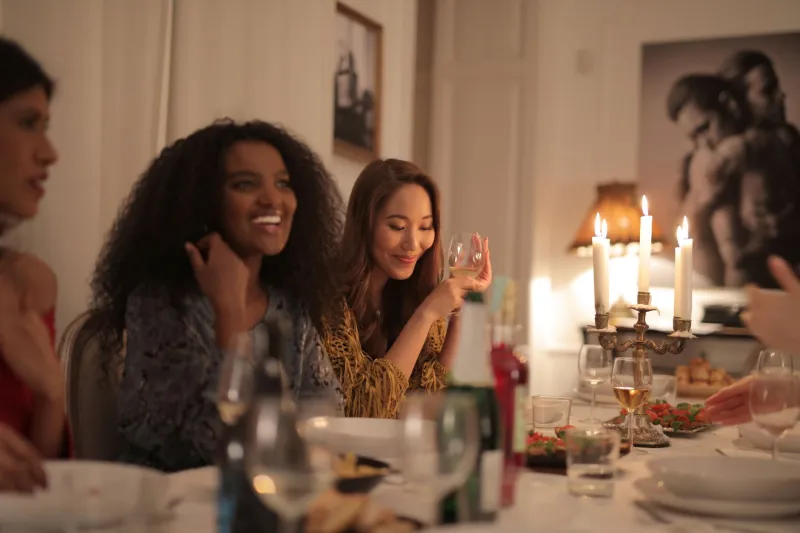
There's something about a shared meal with someone who's known you since before you became who you are today that loosens the things you've kept tightest. We talked to people who finally said the hard thing — not in therapy, not to a stranger, but over a plate of food with someone who's been there all along. What we found says a lot about trust, time, and the strange courage that comes with familiarity.
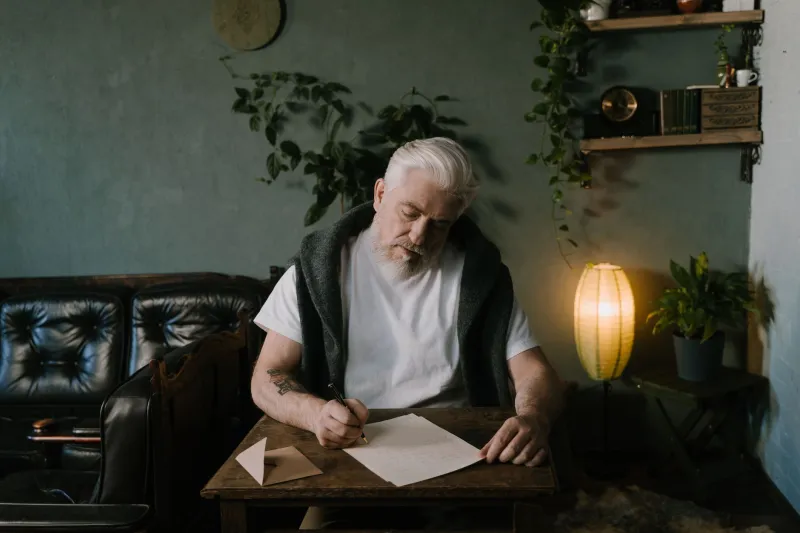
For years, she carried the weight of something she did wrong — something she told herself didn't matter anymore, until it clearly did. When she finally typed the message and hit send, she had no idea what would come back. Or if anything would come back at all.