Your Town Used to Have Rooms for Strangers. These People Are Building Them Back.
There's a specific kind of building that used to anchor every American town, and chances are yours has lost at least one of them. The lodge hall with the peeling paint. The bowling alley that became a vape shop, then a vape shop that became nothing. The diner booth where the same eight men held court every morning at 6:15.
Sociologist Ray Oldenburg called these places "third places" — the locations that are neither home (your first place) nor work (your second), but the informal commons where community actually got made. They shared a few quiet superpowers: they were cheap or free, they ran on conversation instead of transactions, and they put you next to people who weren't chosen. Your neighbors, not your algorithm.
By almost every measure, we've been demolishing them for decades. And the research on what's replaced them — errands, screens, and a scrolling kind of solitude — reads like a warning label. Loneliness now registers as a public health concern at the surgeon general level. We didn't just lose the buildings. We lost the accidental run-ins that made a town feel populated.
But here's the part of the story that doesn't make the loneliness headlines: in town after town, people are rebuilding the rooms.
The Library That Started Staying Open for No Reason
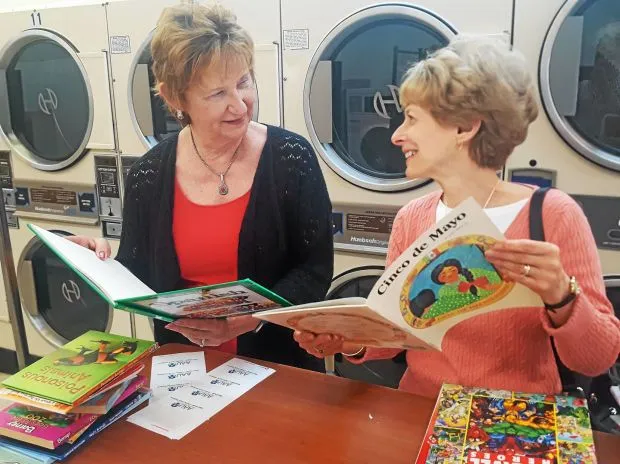
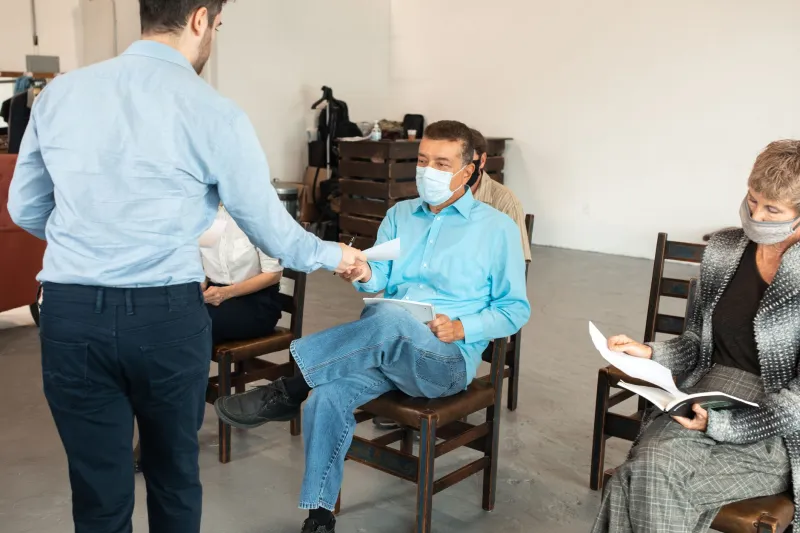
In a town of about 9,000 in rural Ohio, the public library began hosting what staff casually call "Nothing Nights" — two evening hours a month with no program, no speaker, no signup. Just coffee, chairs in a circle-ish arrangement, and the radical instruction to talk to whoever's nearby.
The first one drew four people. The most recent drew forty, including a retired teacher who now carpools with a woman she met over the cookie table. "We spent years asking what programs people wanted," one librarian told me. "Turns out they didn't want a program. They wanted a reason to be in a room."
That distinction — a reason versus a room — is the whole ballgame. Programming gives people permission to attend. The room does the rest.
Pop-Up Clubs, Barber Chairs, and the New Old Commons
The revival is taking shapes Oldenburg would recognize and some he wouldn't.
In North Carolina, a group of twenty- and thirty-somethings started a monthly "porch crawl" — the bar crawl's wholesome cousin — where a dozen houses on one street take turns hosting, and nobody's more than a five-minute walk from the next conversation. Attendance has tripled since spring.
A barbershop in a Detroit neighborhood now stays open late on Thursdays for chess night, the owner having noticed that his chairs were already functioning as a de facto community center and deciding to lean in rather than lock up. The board set is secondhand. The turnout is not.
And across the country, the quiet workhorse of the movement remains the humble civic club, rebranded for people who flinch at the word "civic." Running clubs that end at diners. Repair cafés where strangers fix toasters together. A growing network of pay-what-you-can supper clubs, because — as one organizer in Minnesota put it — "eating together is the oldest technology we have."
Why We're Now Paying for What Used to Be Free
Here's the uncomfortable wrinkle. Much of the new third-place economy is, well, an economy. Social clubs with membership fees. Ticketed mixers for people who want friends but freeze at the phrase "making friends." Apps that match you with a dinner table of strangers for forty dollars a seat.
Critics call it the monetization of belonging. Organizers push back: if the free infrastructure — the lodges, the union halls, the church basements — has thinned out, somebody has to pay the rent on the room. One founder was blunt about it: "Nobody blinked when we paid for gyms to be near strangers. Why should friendship be the one thing we expect for free?"
It's a fair question, and an honest answer might be: because it used to be. The corner bar didn't charge a belonging fee. But nostalgia is a poor business plan, and the people rebuilding are pragmatic. If a modest cover charge keeps the lights on and the chairs full, most are willing to make that trade — while quietly working on the free versions too.
The Part You Can Do This Week
Every organizer I spoke with said roughly the same thing when asked what readers could do, and none of it involved starting a nonprofit.
Show up somewhere the same time every week. Be a regular before you try to build a crowd. Learn one name. Linger — lingering is the entire secret, the thing our errand-designed world has engineered out. The third place isn't a building type. It's a behavior: staying ten minutes longer than necessary.
The rooms are coming back because people decided to fill them. That's always been the whole model.